Basement Finishing involves transforming the space for its utility. The process includes installation of drywall, flooring, and insulation to prepare for the Canadian winters.
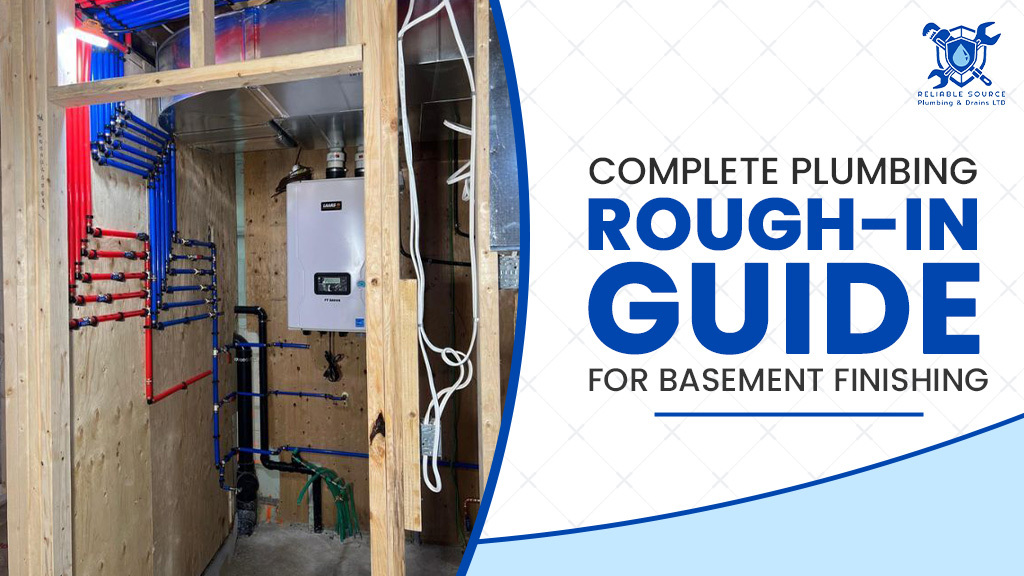
Plumbing rough-ins are the initial step in the finishing processes of any construction. So when it comes to basement finishing, basic water supply lines need to be set up before finishing the walls and floors. This stage allows plumbers to position supply lines, drain pipes, and vents where they need to be without disturbing finished surfaces later.
During the rough-in stage, plumbers plan and install drain lines, supply pipes, and vent systems while the basement framing is still open. It is recommended that professional plumbers carry out this process to ensure accuracy and compliance with local building codes.
When plumbing rough-ins are completed properly, they help avoid unnecessary cutting, concrete breaking, and reframing later in the project. This can result in an expensive and destructive process for the new or renovated residential or commercial properties in Canada. For the plumbing rough-ins in Toronto, trust a Reliable Source of Plumbing and Drains Limited for quality services.
Why Basement Finishing Needs Plumbing Rough-ins
The bathroom outlet, kitchen outlets, and drains need to be done before finishing. Installing plumbing fixtures after finishing will cost you a hefty amount and is a destructive process. This not only increases project costs but can also damage newly finished or renovated walls, flooring, and structures.
A well-planned rough-in allows plumbers to position pipes beneath the floor slab and inside wall framing before construction is completed. This ensures that water supply lines and drainage systems work efficiently and remain hidden behind finished walls.
Why Basement Plumbing Rough-ins Are Important
These are the following reasons that tell you the importance of basement plumbing rough-ins-
- Improves comfort and convenience in the basement space.
- Increases the overall value of the properties and their resale value.
- Reduces the chance of leaks and drainage problems.
- Allows a better plumbing system in the whole property, including bathrooms, kitchens and sewer outlets.
- Prevents future modification costs due to improper plumbing planning.
Step-by-Step Guide to Basement Plumbing Rough-Ins

Installing rough-ins for plumbing requires careful planning and technical expertise. Below are the key steps involved in basement plumbing rough-ins.
- Map out the Fixture and its Location
Before installing, a layout is prepared to locate the position of bathroom and kitchen fixtures. Each fixture should be aligned to function properly, especially the drainage.
During plumbing rough-ins, pipes are installed according to this layout before concrete or drywall covers them
- Ensure Proper Drain Slope
Drain slope is important when it comes to water-related fixtures. Otherwise, the inappropriate fixture leads to leakage problems in the future.
Ensuring the correct pipe slope is a key reason why professional plumbing rough in Toronto is recommended.
- Plan Air Valve To Avoid Vacuum Lock
Ventilation is an important part of plumbing; if not done correctly leads to a vacuum lock. Air valves or vent pipes are installed during plumbing rough-ins to maintain balanced air pressure within the system. These vents allow air to enter the pipes while wastewater flows out.
It helps to ensure smooth flow in pipes throughout the plumbing system.
- Install Ejector Pump
In some properties, wastewater does not directly flow into the sewer because sometimes, the alignment of the sewer main line and the water outlet pipe may differ. Therefore, an ejector pump is needed to move out the water into the main sewer line.
Professional Plumbing Rough-Ins Matters
Plumbing always requires strategic planning and proper installation of each plumbing element. Placing the supply lines, connecting them to main lines and mapping out the drainage while maintaining the slope are recommended to be done by professional plumbing companies and their plumbers.
Working with experienced professionals helps ensure that plumbing rough-ins are installed accurately before the basement is finished. At Reliable Source Plumbing and Drains Limited, we offer secure plumbing planning, proper implementation and execution to each.
Final Thoughts
Plumbing rough-ins are once the crucial steps in the construction. Once done properly, ensure you have the comfort and convenience for years.
Working with experienced plumbers helps homeowners avoid costly repairs and ensures the basement renovation is completed safely and correctly.
FAQs
1. What is a plumbing rough-in for a basement?
A. A plumbing rough-in is the stage where water supply pipes, drain lines, and vent pipes are installed before walls, flooring, and ceilings are finished. It prepares the basement for future plumbing fixtures like toilets, sinks, and showers.
2. Do all finished basements need plumbing rough-ins?
A. Not every basement requires plumbing rough-ins, but they are essential if you plan to install bathrooms, laundry areas, or kitchen fixtures. Rough-ins allow plumbing to be installed efficiently without damaging finished surfaces later.
3. Can plumbing rough-ins be added after basement finishing?
A. Yes, but it is more expensive and disruptive. Contractors may need to break concrete floors or remove finished walls to access pipe routes. Installing rough-ins during the early construction phase is the most practical approach.